What is Mokuhanga?
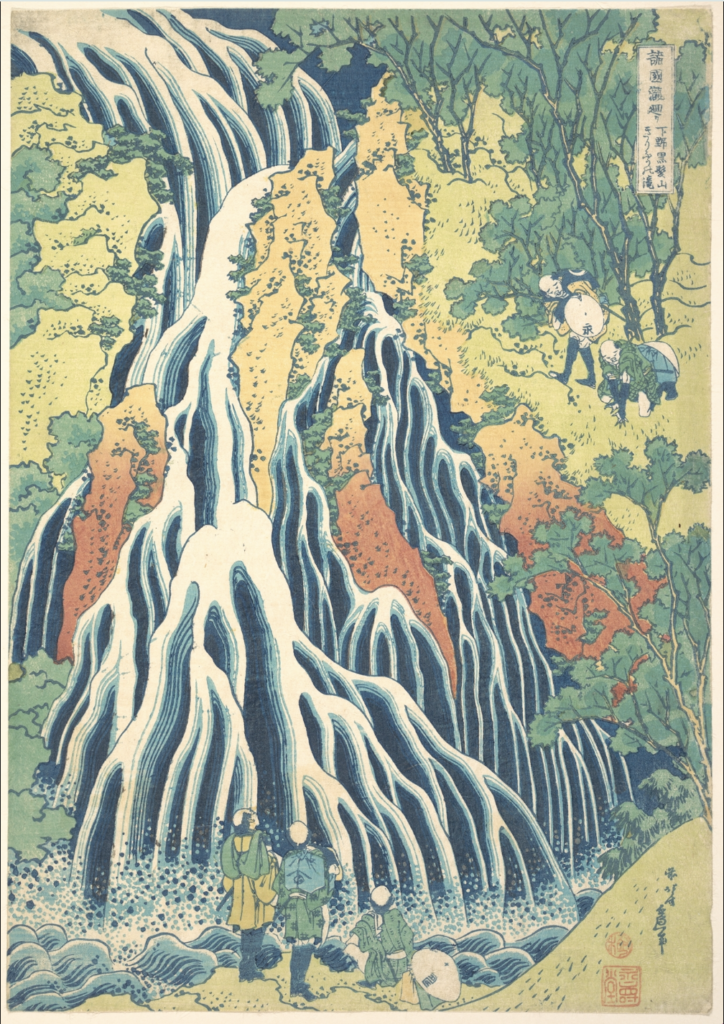
Mokuhanga, or Japanese woodblock printing, has a rich history and unique characteristics that set it apart from Western woodcut techniques. Originating in China during the Tang Dynasty, woodblock printing was later adopted and refined in Japan during the Edo period.
One of the distinctive features of Mokuhanga is its use of water-based inks, which allow for subtle gradations of color and a softer, more organic appearance compared to the bold lines of Western woodcuts with oil-based inks.
Mokuhanga is not only used for creating iconic ukiyo-e prints but it also is employed as a commercial art for printing books. Its influence extended beyond Japan, inspiring Impressionist artists in Europe with its emphasis on capturing light, color, and atmosphere.
Today, Mokuhanga continues to be practiced by contemporary artists, valued for its environmentally friendly nature, as well as its ability to convey a unique expression and aesthetic.
The meaning of UKIYO-E
Ukiyo‑e” (浮世絵) literally breaks down like this:
- 浮 (uki) → floating, drifting
- 世 (yo) → world, society, life
- 絵 (e) → picture, painting
So, Ukiyo‑e = “picturesofthefloatingworld.”
The “floating world” part comes from Edo‑periodJapan (17th–19thcentury). Back then, ukiyo was a term for the pleasure‑seeking, transient lifestyle of urban culture — kabuki theaters, geisha districts, tea houses, seasonal festivals. The idea was: life is fleeting, so enjoy the pleasures of the moment.
Interestingly, ukiyo used to have a Buddhist meaning — “the sorrowful world” (憂き世) of impermanence and suffering. But in Edo culture, it got a playful twist: from “world of sorrow” → “world that floats along” → “world of fleeting pleasures.”
Ukiyo‑e artists like Hokusai and Hiroshige captured that world in woodblock prints — beautiful people, famous actors, landscapes, and everyday joys — all moments drifting along like leaves on water.